Выбор шага пикселя — одно из самых важных решений в проекте светодиодного экрана — и одно из самых простых мест для перерасхода средств.
Когда покупатели проводят Сравнение поставщиков светодиодных дисплеев, они часто получают коммерческие предложения на несколько шагов пикселя: P0.9, P1.2, P1.5, P1.8, P2.5 или даже более мелкие варианты. Поскольку меньшее число означает более высокую плотность пикселей, возникает соблазн предположить, что наименьший шаг обязательно обеспечит наилучший результат.
Технически более мелкий шаг может обеспечить больше пикселей в пределах той же физической площади. Однако с коммерческой точки зрения это не означает, что каждый проект выигрывает от оплаты этих дополнительных пикселей.
Грамотно спроектированный светодиодный экран должен обеспечивать достаточное разрешение с учетом фактического расстояния просмотра, контента, размеров экрана и условий эксплуатации — без приобретения плотности пикселей, которую аудитория не сможет эффективно использовать.
Для покупателей, пытающихся оценить предложения поставщиков светодиодных экранов , рекомендации по шагу пикселя также могут раскрыть нечто важное о самом поставщике. Надежный поставщик должен уметь объяснить, почему конкретный шаг является подходящим, а не автоматически рекомендовать вариант с самым высоким разрешением и самой высокой ценой.
В этом руководстве объясняется, как найти этот баланс.
Настоящий вопрос не в том: “Какой самый маленький шаг пикселя?”
Более правильный вопрос:
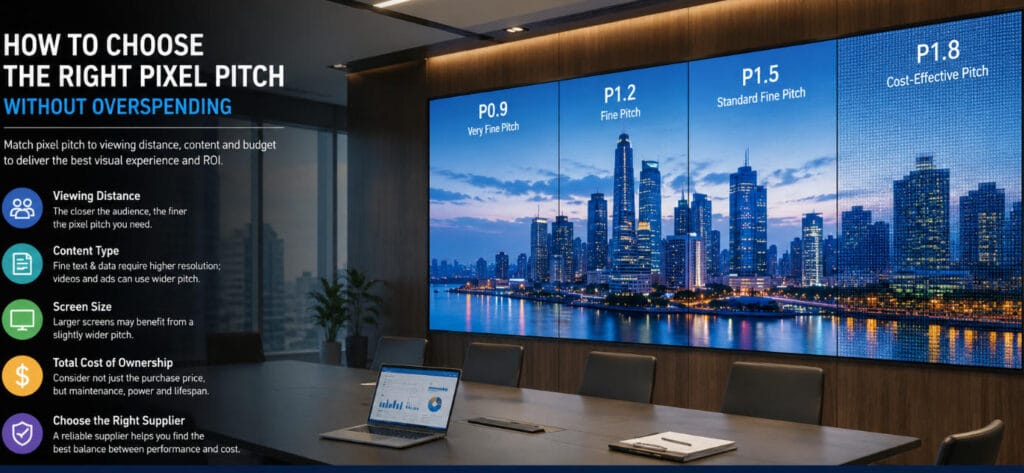
Какой максимальный шаг пикселя все еще обеспечивает визуальные характеристики, требуемые проектом?
Такое изменение подхода может значительно улучшить экономику проекта.
Представьте двух поставщиков, предлагающих один и тот же внутренний светодиодный экран. Один рекомендует P0.9, а другой — P1.5. На первый взгляд, предложение с P0.9 выглядит технически более совершенным, поскольку содержит значительно больше пикселей.
Но сначала необходимо ответить на несколько вопросов:
- Насколько близко к экрану будет стоять или сидеть ближайший зритель?
- Какой тип контента будет отображаться?
- Насколько велик весь светодиодный экран?
- Действительно ли необходимо нативное разрешение 4K?
- Будет ли экран показывать таблицы и мелкий текст или преимущественно видео и рекламу?
- Сколько часов в день будет работать дисплей?
- Каков общий бюджет проекта?
Без этой информации рекомендация по шагу пикселя во многом является предположением.
Именно поэтому шаг пикселя следует оценивать как часть всего применения, а не как изолированную характеристику.
Начните с минимального расстояния просмотра
Ближайший постоянный зритель обычно важнее самого дальнего зрителя.
Когда люди находятся близко к светодиодному экрану, недостаточная плотность пикселей может сделать структуру пикселей заметной, особенно вокруг мелкого текста, тонких линий, значков и графики с высоким контрастом. По мере увеличения расстояния просмотра визуальная разница между соседними шагами пикселя становится менее значительной.
Не существует универсальной формулы расстояния просмотра, подходящей для каждого применения, поскольку человеческое восприятие, контент, яркость, контраст и условия просмотра — все влияет на результат.
Вместо этого используйте расстояние просмотра как первый фильтрующий фактор.
Диспетчерская, где операторы сидят в двух метрах от экрана, требует иного подхода, чем вестибюль отеля, где зрители обычно стоят на расстоянии шести или восьми метров.
Аналогично, наружный рекламный щит, просматриваемый через дорогу, не выигрывает от того же сверхмелкого шага, который используется в переговорной.
Поэтому хороший поставщик должен запросить минимальное практическое расстояние просмотра перед рекомендацией продукта.
Если три поставщика рекомендуют три разных шага, попросите каждого объяснить, как его рекомендация соотносится с ближайшим зрителем. Это полезный шаг в любом Сравнение поставщиков светодиодных дисплеев , поскольку он показывает, было ли предложение разработано под конкретный проект или выбрано из стандартного прайс-листа.
Согласуйте шаг пикселя с контентом, а не только с расстоянием просмотра
Одного расстояния просмотра недостаточно.
Тип информации, отображаемой на светодиодном экране, часто определяет, насколько высокое разрешение действительно ценно.
Мелкий текст и визуализация данных
Диспетчерские, финансовые среды, телевизионные студии и командные центры могут отображать мелкие шрифты, карты, информационные панели, несколько видеоокон, графики, индикаторы состояния и детализированные интерфейсы.
Здесь более высокая плотность пикселей может создать реальную операционную ценность, поскольку больше информации должно оставаться читаемым в пределах ограниченной площади экрана.
Корпоративные презентации
В переговорных и актовых залах часто отображаются слайды PowerPoint, документы, окна видеоконференций, графики и корпоративные видео.
Мелкий шаг остается важным, но выбор наименьшего доступного шага может быть не обязательным, если места для сидения начинаются на расстоянии нескольких метров.
Розничный и брендовый контент
Розничные дисплеи обычно делают акцент на фотографиях, motion-графике, видео, логотипах и рекламных сообщениях. Зрители могут перемещаться по пространству, а не изучать мелкий текст непрерывно.
В таких случаях визуальная разница между двумя вариантами с мелким шагом пикселя может быть меньше, чем разница в цене.
Крупноформатная реклама
Для крупных коммерческих дисплеев, просматриваемых с больших расстояний, физический размер экрана, яркость, контрастность и воздействие контента могут иметь большее значение, чем экстремальная плотность пикселей.
Дополнительные затраты на большую визуальную область иногда могут создать более сильное воздействие на аудиторию, чем использование того же бюджета для уменьшения шага пикселя.
Это важное различие: разрешение должно решать задачу контента, а не удовлетворять предпочтение в спецификации.
Рассчитайте разрешение, которое вы фактически получаете
Шаг пикселя определяет, сколько пикселей помещается в заданный физический размер экрана.
Эту взаимосвязь следует учитывать перед сравнением коммерческих предложений.
Предположим, ваш проект требует фиксированной стены шириной примерно шесть метров. Более мелкий шаг увеличивает количество пикселей по горизонтали без изменения физических размеров. Это звучит привлекательно — но дополнительное разрешение имеет ценность только в том случае, если ваш контент, расстояние просмотра и применение могут его использовать.
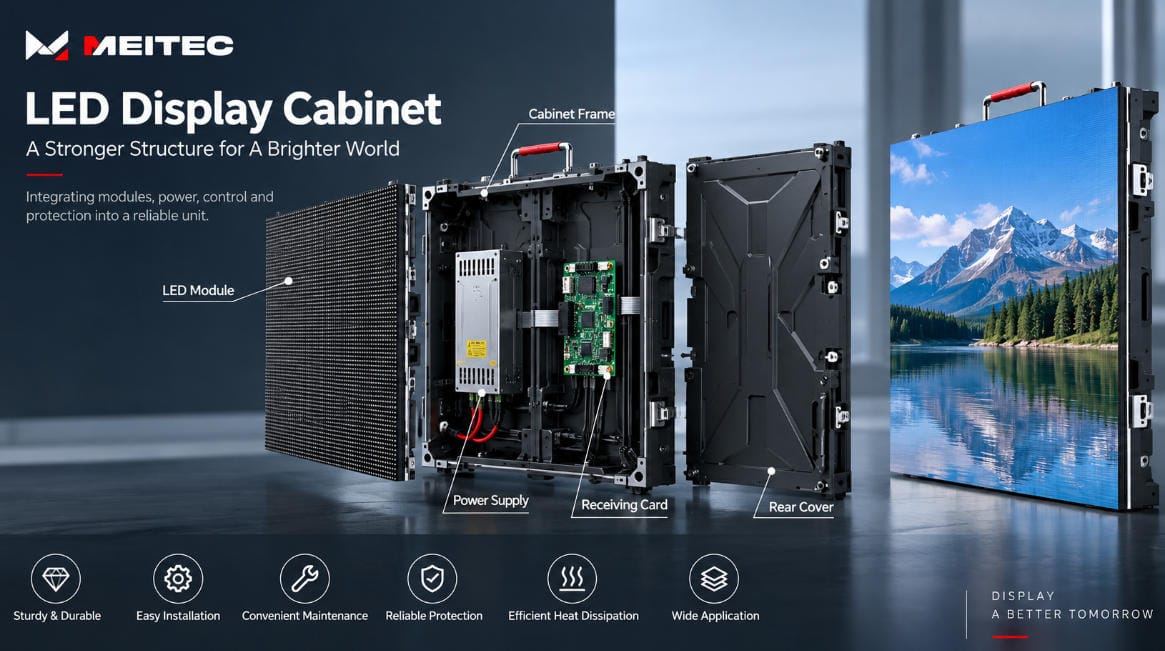
Например, продукция Meitec Внутренний светодиодный дисплей с малым шагом пикселя SIM Pro Series предлагает варианты P0.9375, P1.25, P1.56 и P1.875 в рамках одной и той же платформы кабинета 600 × 337,5 мм. Это позволяет проектировщикам регулировать плотность пикселей, сохраняя единый физический формат кабинета.
Для закупочных групп это создает полезный метод сравнения:
Сохраните физические размеры стены постоянными и запросите коммерческие предложения для двух или трех реалистичных значений шага пикселя.
Затем сравните:
- Общее разрешение экрана
- Общую стоимость светодиодного дисплея
- Стоимость за используемый пиксель
- Визуальную разницу при фактическом расстоянии просмотра
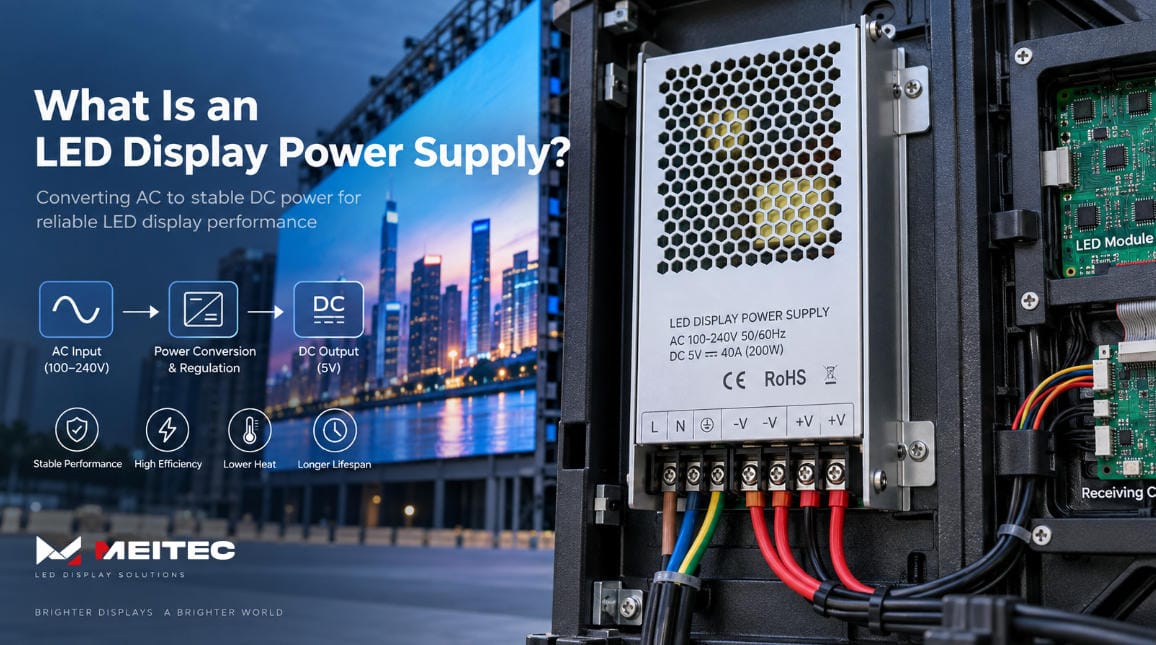
- Требования к электропитанию
- Требования к контенту
- Долгосрочные последствия для технического обслуживания
Цель — определить точку, в которой оплата дополнительных пикселей приводит к убывающей визуальной отдаче.
Не платите за 4K только потому, что 4K звучит лучше
“Светодиодная стена 4K” — привлекательная спецификация, но нативное разрешение 4K не должно автоматически становиться целью для каждого проекта.
Для достижения 3840 горизонтальных пикселей требуемая физическая ширина напрямую зависит от шага пикселя.
При более мелком шаге разрешение 4K может быть достигнуто в меньшей физической области. При более крупном шаге дисплей должен быть шире.
Коммерческий вопрос заключается в том, обеспечивает ли нативное 4K значимую ценность для данного применения.
Для диспетчерской, отображающей детальную информацию вблизи операторов, ответ может быть положительным.
Для большого сценического фона или коммерческой рекламной стены, просматриваемой с значительного расстояния, возможно, нет.
Процессоры контента могут масштабировать видео до фактического разрешения экрана. Следовательно, получение видеосигнала 4K не означает, что светодиодная стена всегда должна содержать ровно 3840 × 2160 физических пикселей.
Во время Сравнение поставщиков светодиодных дисплеев, попросите поставщиков предоставить оба параметра:
- Физические размеры предлагаемого дисплея.
- Итоговое нативное разрешение пикселей.
Это предотвращает замену терминологией “4K”, “8K” или “UHD” инженерного обсуждения.
Поймите, почему меньший шаг обычно стоит дороже
Уменьшение шага пикселя означает не только увеличение количества светодиодов.
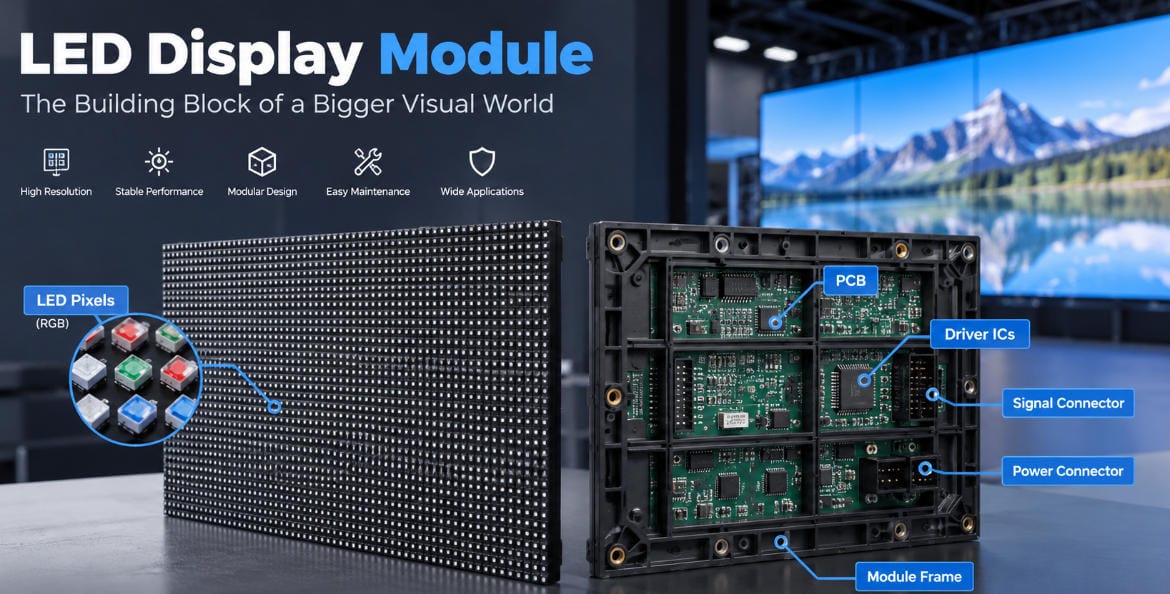
Большее количество пикселей на квадратный метр влияет на сложность производства, плотность компонентов, требования к калибровке, выход годных модулей, конфигурацию драйверов, управление теплом и требования к контролю качества.
По мере того как шаг становится все более мелким, небольшие производственные несоответствия также приобретают большее значение.
Это особенно актуально для премиальных профессиональных установок.
Серия NOC Pro Series COB Micro LED Display от Meitec предназначена для профессиональных сред с близким просмотром и предлагает сверхтонкие конфигурации, включая приблизительно P0.78, P0.94 и P1.25, с использованием технологии Full Flip-Chip COB. Такие продукты могут быть целесообразны для командных центров, визуализационных залов, студий и других применений, где высокая плотность информации или близкий просмотр оправдывают инвестиции.
Но установка сверхтонкого COB-дисплея там, где зрители постоянно находятся далеко, может означать оплату характеристик, которые редко воспринимаются.
Премиальные технологии имеют наибольший смысл, когда применение может извлечь из них выгоду.
Сравните разницу в цене с визуальной разницей
Это один из наиболее эффективных способов избежать перерасхода средств.
Предположим, поставщик предлагает:
- Вариант A: P1.25
- Вариант B: P1.56
- Вариант C: P1.875
Не следует просто сравнивать технические характеристики.
По возможности запрашивайте демонстрации с использованием вашего реального контента на вашем фактическом расстоянии просмотра.
Затем оцените, даёт ли переход с P1.875 на P1.56 очевидное улучшение.
Далее определите, даёт ли переход с P1.56 на P1.25 ещё одно улучшение сопоставимой значимости.
Зачастую визуальная выгода не возрастает теми же темпами, что и стоимость проекта.
Может существовать “оптимальная точка”, в которой качество изображения уже соответствует требованиям приложения, а дальнейшее уменьшение шага пикселя даёт лишь незначительные преимущества.
Именно в этой оптимальной точке ценность проекта часто достигает максимума.
Шаг пикселя следует оценивать с учётом размера экрана
Распространённая ошибка при закупках — определение шага пикселя до утверждения габаритов экрана.
Эти два решения взаимосвязаны.
При фиксированном бюджете может возникнуть выбор между:
Вариантом 1: меньшим экраном с более мелким шагом.
Вариантом 2: большим экраном с несколько более крупным шагом.
Что лучше — зависит от области применения.
Для командного центра, где необходимо отображать множество детализированных окон, приоритет может иметь плотность пикселей.
Для конференц-зала, выставочного пространства, сцены или розничной торговли более крупное физическое изображение может обеспечить больший визуальный эффект.
Именно поэтому профессиональное проектирование системы должно оптимизировать весь дисплей, а не максимизировать отдельную характеристику.
Оценивайте совокупную стоимость, а не только цену модулей
Шаг пикселя влияет на закупочную цену, однако при принятии решений о закупке следует также учитывать общую стоимость проекта.
В зависимости от системы затраты могут включать:
- светодиодные кабинеты и модули
- управляющее оборудование
- видеопроцессоры
- распределение электропитания
- монтаж конструкций
- запасные модули
- доставку
- монтажные работы
- калибровку
- потребление электроэнергии
- доступ для обслуживания
- будущие запасные части
- техническую поддержку
Более дешёвый экран может оказаться дорогим, если его обслуживание затруднено. Аналогичным образом, дисплей с излишне мелким шагом пикселя может увеличить первоначальные инвестиции без пропорциональной эксплуатационной выгоды.
Компания Meitec рассматривает этот более широкий принцип закупок в своём Руководстве по покупке светодиодных дисплеев для покупателей, приобретающих впервые, в котором объясняется, почему коммерческие предложения следует сравнивать как комплексные системы, а не только по цене экрана.
Этот принцип особенно полезен, когда покупатели оценить предложения поставщиков светодиодных экранов получают коммерческие предложения от разных производителей.
Используйте рекомендации по шагу пикселя для оценки поставщика
Сам процесс рекомендации даёт ценную информацию о качестве поставщика.
Прежде чем рекомендовать шаг пикселя, профессиональный поставщик светодиодных дисплеев обычно должен стремиться понять:
- условия установки
- ширину и высоту экрана
- минимальное и типичное расстояние просмотра
- тип контента
- Требуемое разрешение
- Окружающее освещение
- Часы работы
- Способ монтажа
- доступ для обслуживания
- Диапазон бюджета
Соблюдайте осторожность, если поставщик рекомендует премиальный продукт со сверхмелким шагом пикселя, прежде чем задать эти вопросы.
Технически ответственный поставщик также должен без затруднений предлагать менее дорогой шаг пикселя, когда применение не оправдывает выбор более мелкого варианта.
При проведении Сравнение поставщиков светодиодных дисплеев, спросите:
“Почему вы рекомендуете именно этот шаг пикселя, а не следующий более крупный?”
Ответ может быть чрезвычайно показательным.
Сильные поставщики обсудят расстояние просмотра, разрешение, габариты экрана, контент и требования к применению.
Слабые поставщики могут просто сказать: “меньший шаг пикселя обеспечивает лучшее качество”.”
Такой ответ технически неполон и коммерчески бесполезен.
Просите поставщиков предлагать альтернативные конфигурации
Один из самых простых способов улучшить решения о закупках — запросить более одного варианта.
Вместо вопроса:
“Пожалуйста, предоставьте расчёт для дисплея с шагом P1.25”.”
Попробуйте:
“Мой экран составляет приблизительно 5 × 2,8 метра, ближайший зритель находится на расстоянии трёх метров, а на дисплее будут отображаться презентации, видеоконференции, информационные панели и рекламные видеоролики. Пожалуйста, порекомендуйте наиболее экономически эффективный шаг пикселя и предоставьте один вариант с более высоким разрешением”.”
Это даёт поставщику возможность проработать инженерное решение.
Затем вы можете сравнить, приходят ли поставщики к аналогичным выводам.
Если один рекомендует P0.9, другой — P1.25, а третий — P1.8, попросите каждую компанию обосновать решение количественно и визуально.
Такой подход превращает сравнение цен в сравнение решений.
Практический пятиэтапный процесс выбора шага пикселя
Для большинства проектов следующий процесс обеспечивает надёжную отправную точку.
Этап 1: Определите ближайшую позицию обычного просмотра.
Не используйте нереалистичное расстояние, с которого кто-то может偶尔 стоять. Используйте ближайшую позицию, с которой экран будет регулярно просматриваться.
Этап 2: Определите наиболее требовательный контент.
Сосредоточьтесь на самом мелком тексте, наиболее детализированной информационной панели или интерфейсе с наибольшей плотностью данных — а не просто на рекламном видеоролике.
Этап 3: Зафиксируйте приблизительные физические габариты экрана.
Это позволит поставщикам рассчитать фактическое попиксельное разрешение для каждого шага.
Этап 4: Сравните два или три реалистичных варианта шага пикселя.
Избегайте сравнения заведомо неадекватного варианта с излишне премиальным.
Этап 5: Оцените дополнительную выгоду.
Спросите, оправдывает ли визуальное улучшение от более мелкого шага пикселя дополнительные инвестиции в проект.
Этот процесс помогает предотвратить как занижение, так и завышение технических характеристик.
Как компания Meitec подходит к выбору шага пикселя
В Meitec шаг пикселя рассматривается как один из элементов комплексного решения для светодиодного дисплея.
Различные применения требуют различных приоритетов. Диспетчерская может делать акцент на плотности информации и непрерывной работе. Корпоративный переговорный зал может требовать баланса между просмотром с близкого расстояния, качеством изображения и архитектурной интеграцией. Розничные установки могут отдавать приоритет визуальному воздействию, в то время как наружные применения могут уделять больше внимания яркости, защите от внешних воздействий и расстоянию просмотра.
Вместо того чтобы предполагать, что наименьший шаг пикселя автоматически является наилучшим выбором, Meitec может оценить габариты экрана, расстояние до аудитории, контент, условия монтажа, целевые показатели разрешения, требования к обслуживанию и бюджет проекта перед разработкой подходящей конфигурации.
Цель состоит не в том, чтобы максимизировать количество приобретаемых пикселей.
Цель состоит в том, чтобы обеспечить визуальные характеристики, которые действительно необходимы проекту.
Заключительные соображения: покупайте полезное разрешение, а не максимальное
Шаг пикселя оказывает прямое влияние на качество изображения, системное разрешение и стоимость проекта — но меньший шаг не означает автоматически лучший результат.
Правильный выбор — это шаг, который обеспечивает достаточную детализацию на требуемом расстоянии просмотра, поддерживает предполагаемый контент, соответствует имеющимся габаритам экрана и обеспечивает разумную отдачу от дополнительных инвестиций.
Для покупателей, осуществляющих Сравнение поставщиков светодиодных дисплеев, уделяйте пристальное внимание тому, как каждая компания приходит к своей рекомендации.
Поставщик, сосредоточенный главным образом на продаже технических характеристик, может навязывать наименьший доступный шаг пикселя.
Поставщик, ориентированный на производительность проекта, должен быть в состоянии объяснить, где дополнительное разрешение создаёт ценность — а где нет.
Это также один из наиболее практичных способов оценить предложения поставщиков светодиодных экранов экспертиза перед оформлением заказа.
Выбирайте достаточное разрешение, чтобы обеспечить исключительное качество отображения.
Просто не платите за пиксели, которые ваша аудитория никогда не заметит.