
Author: Meitec Technical TeamReviewed by: LED Display Product SpecialistCategory: COB LED Display TechnologyLast Updated: October 2026 Contrast is one of the factors that determine how clearly an LED display reproduces images, particularly when bright highlights and dark backgrounds appear together. In fine-pitch indoor applications, insufficient contrast can make black areas look gray, reduce shadow
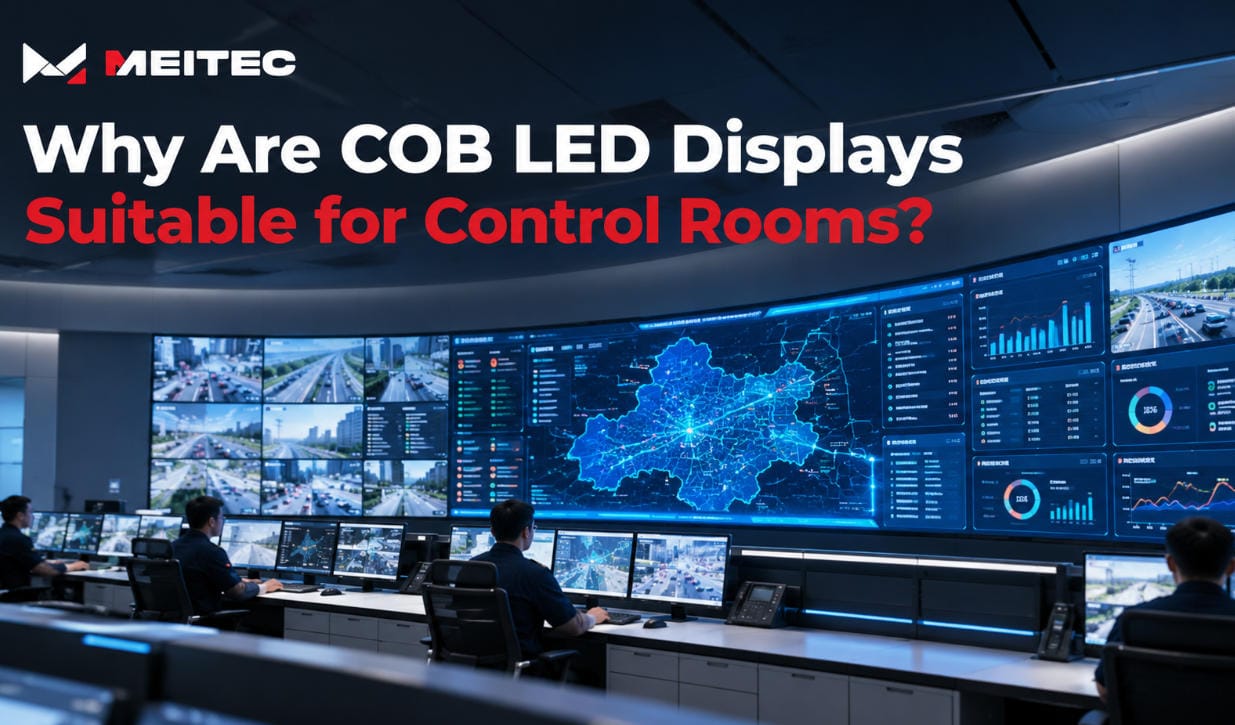
Control rooms depend on large-format displays to present surveillance footage, system alarms, operational dashboards, maps, and real-time data. Unlike conventional presentation screens, these displays may operate continuously while operators monitor information from different positions throughout the room. COB (Chip-on-Board) LED displays are well suited to these environments because they support
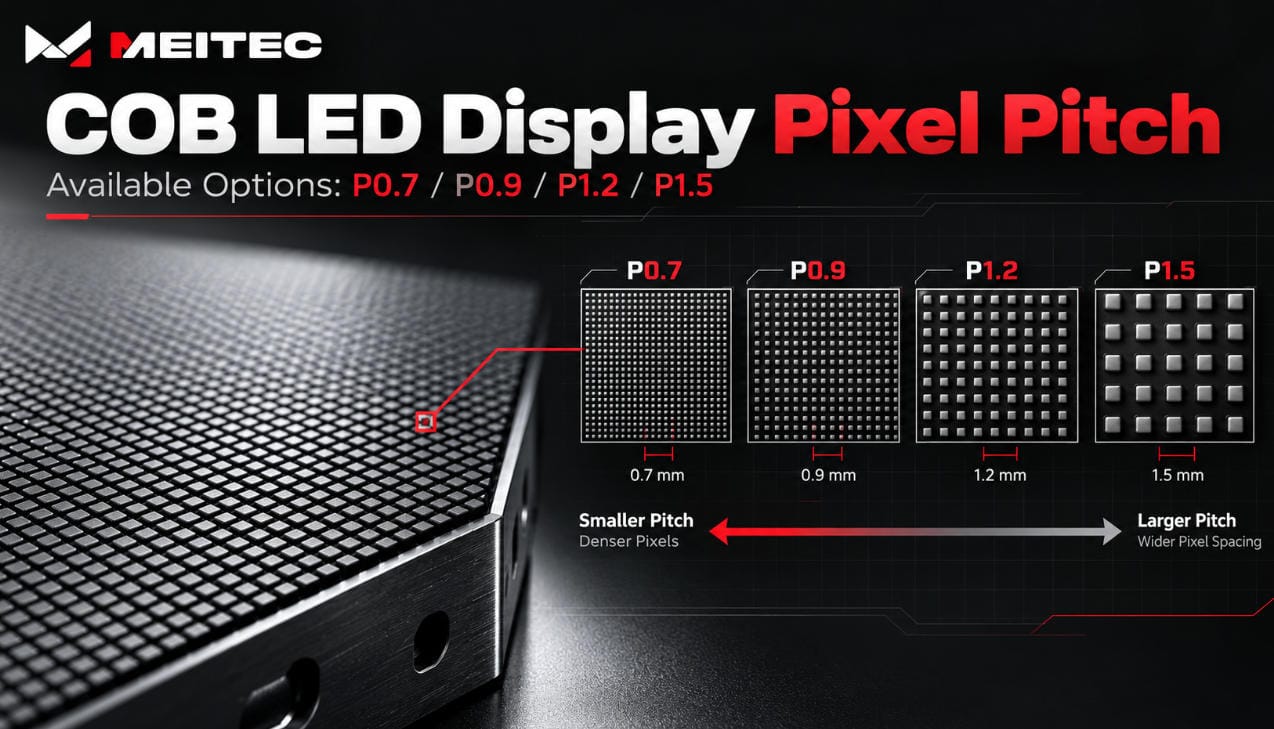
Author: Meitec Technical TeamReviewed by: LED Display Product SpecialistCategory: COB LED Display TechnologyLast Updated: October 2026 COB (Chip on Board) LED displays offer various fine pixel pitch configurations, typically including P0.7, P0.9, P1.2, and P1.5. These configurations are specifically designed for indoor applications that require high pixel density, fine image reproduction, and relatively short
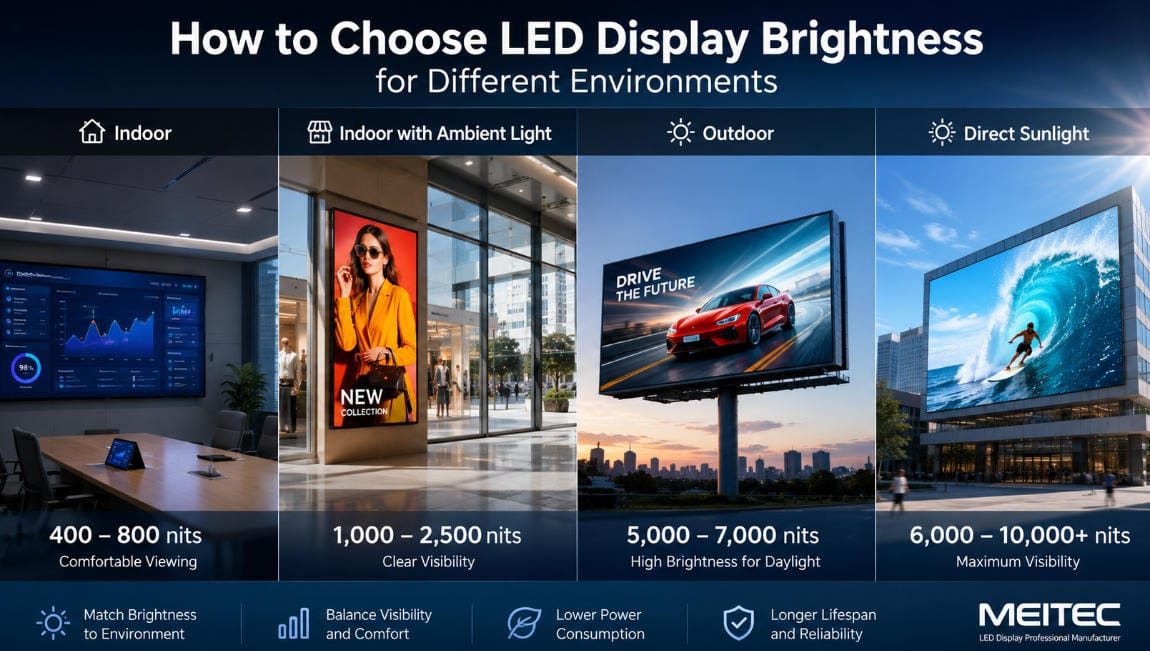
Choosing the right LED Display Brightness is not simply a matter of selecting the screen with the highest nit rating. A display that is too dim may lose visibility under strong ambient light, but a display that is unnecessarily bright can create glare, reduce viewing comfort, increase power consumption, and
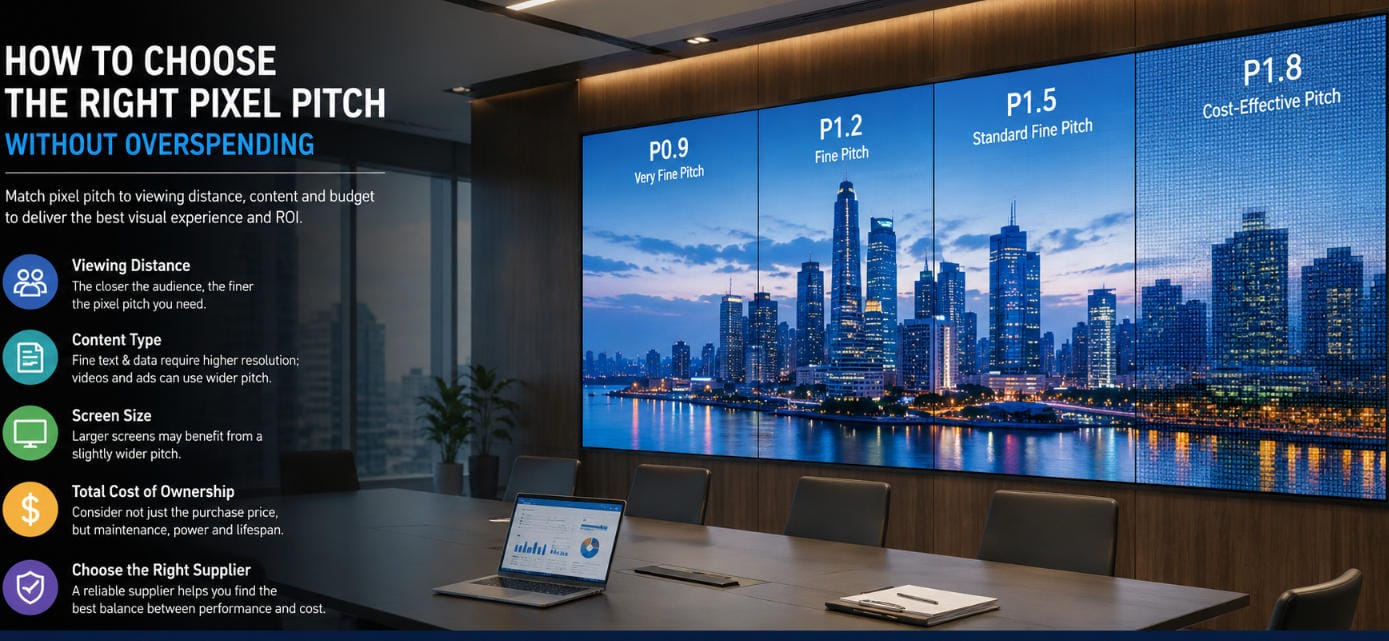
Choosing pixel pitch is one of the most important decisions in an LED display project—and one of the easiest places to overspend. When buyers conduct an LED display supplier comparison, they often receive quotations for several pixel pitches: P0.9, P1.2, P1.5, P1.8, P2.5, or even finer options. Because a smaller
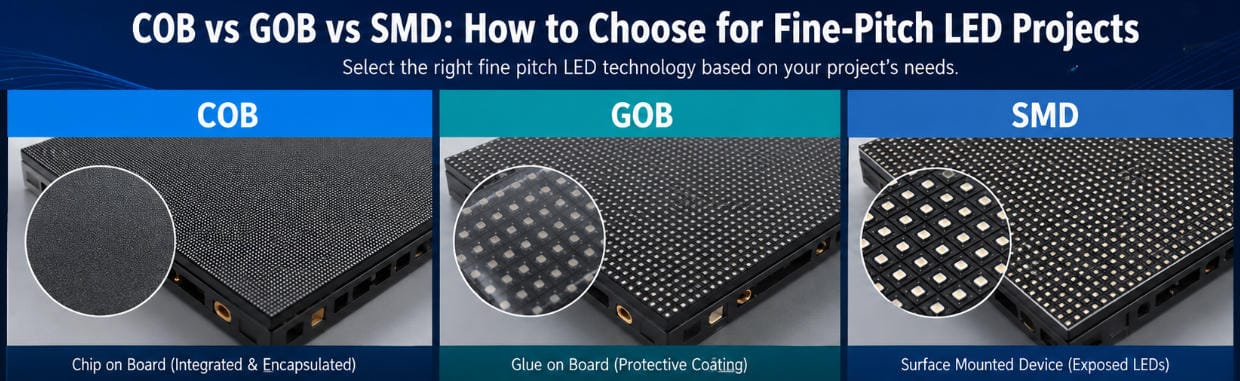
Choosing a packaging technology for a fine-pitch LED project is becoming more complicated. A few years ago, many buyers could define the required screen size, viewing distance and pixel pitch, then select an SMD solution from several suppliers. Today, COB has become increasingly common at ultra-fine pixel pitches, while GOB
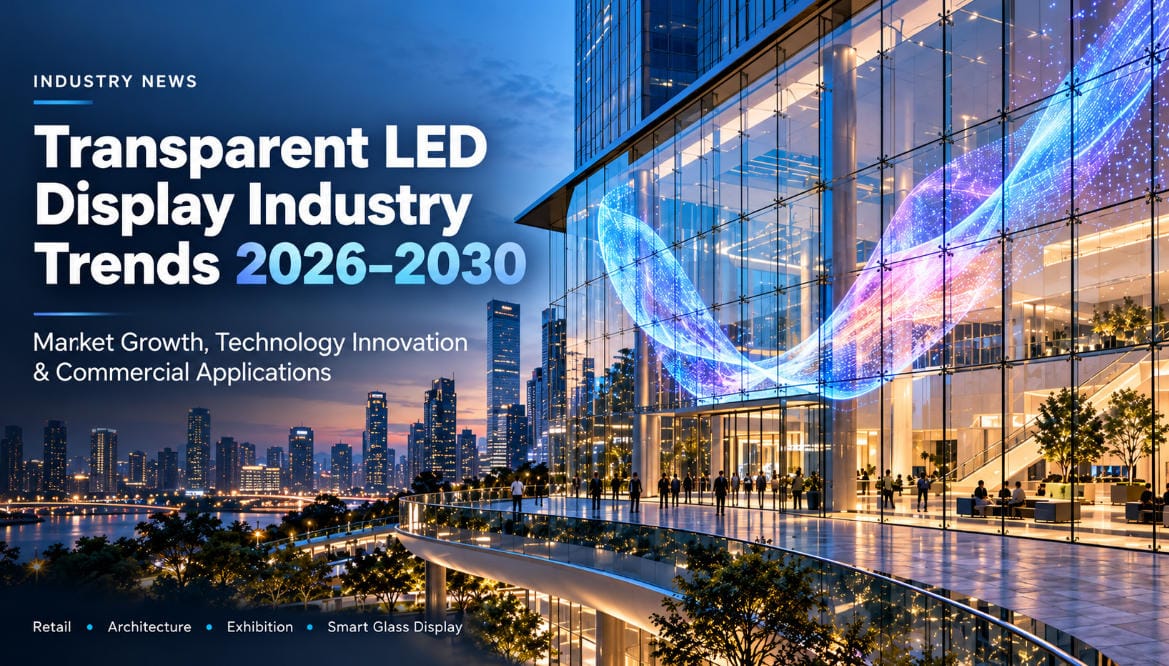
Transparent LED displays are moving from a specialized visual technology into a broader category of commercial display solutions. Retail storefronts, shopping malls, exhibition spaces, corporate environments and architectural glass installations are increasingly looking for screens that can deliver digital content without completely blocking natural light or visibility. At the same
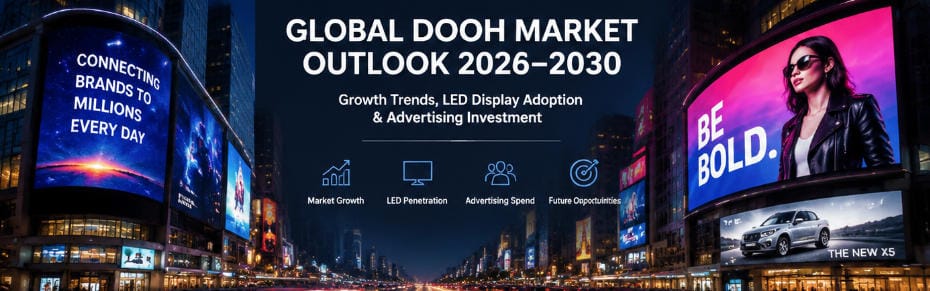
Introduction: DOOH Becomes a Key Growth Engine in Global Advertising Digital Out-of-Home (DOOH) advertising has become one of the fastest-growing segments within the global advertising ecosystem. Driven by urbanization, smart city development, digital transformation of outdoor media networks, and increasing demand for measurable advertising performance, DOOH is gradually replacing traditional
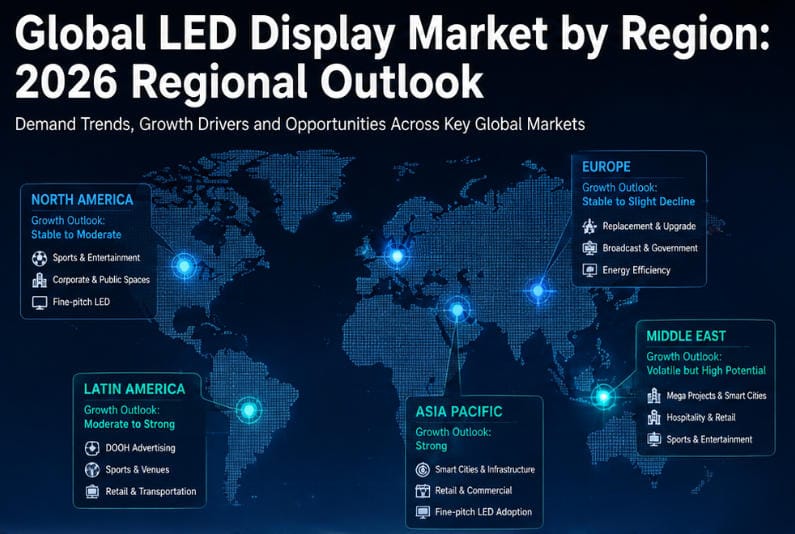
North America, Europe, Asia Pacific, Middle East and Latin America Compared The global LED display industry is entering a more differentiated phase in 2026. Rather than expanding uniformly across all markets, demand is increasingly shaped by regional investment cycles, application requirements, technology adoption, infrastructure development and procurement conditions. The latest
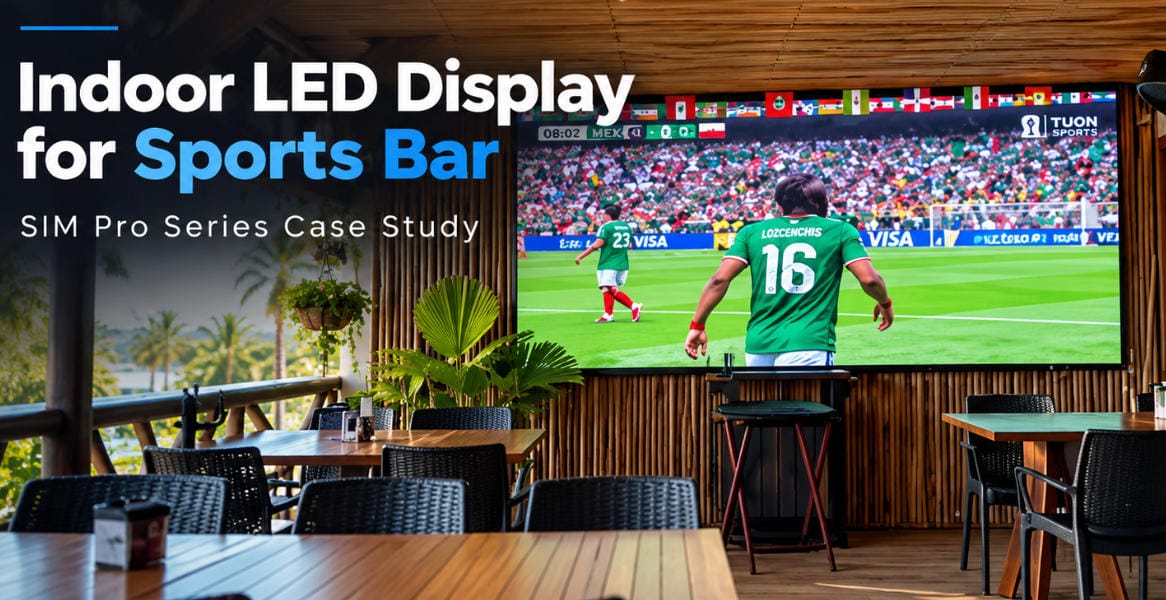
For restaurants, sports bars, lounges, and entertainment venues, a display is no longer simply a screen for showing content. During live matches and major sporting events, it becomes one of the most important visual elements in the entire space. In this real indoor hospitality project, the venue needed a larger
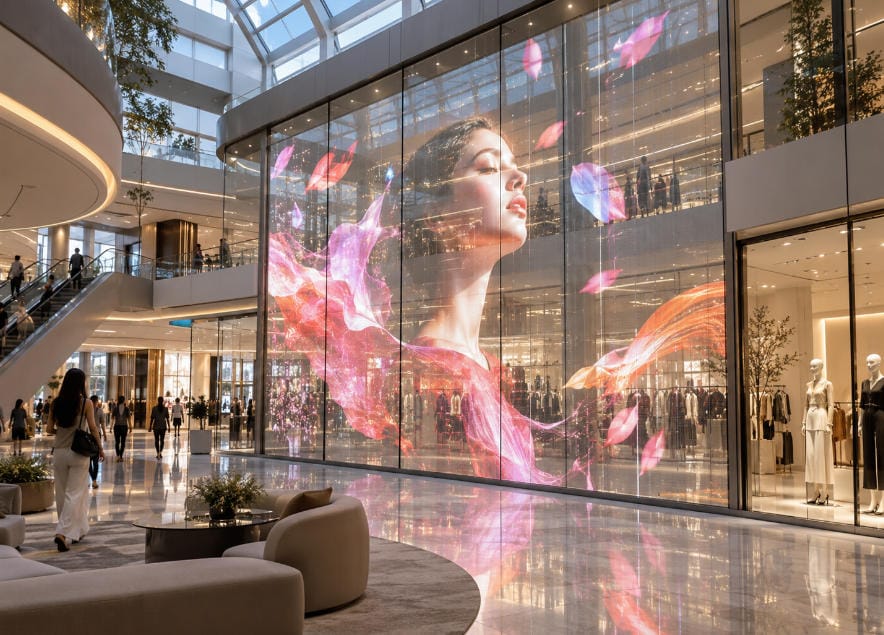
A commercial glass façade creates a valuable opportunity for brands: it provides visibility, natural light, and an open connection between the interior space and people outside. But it also creates a challenge. How do you introduce a large digital display without turning that transparent architectural surface into a solid wall?
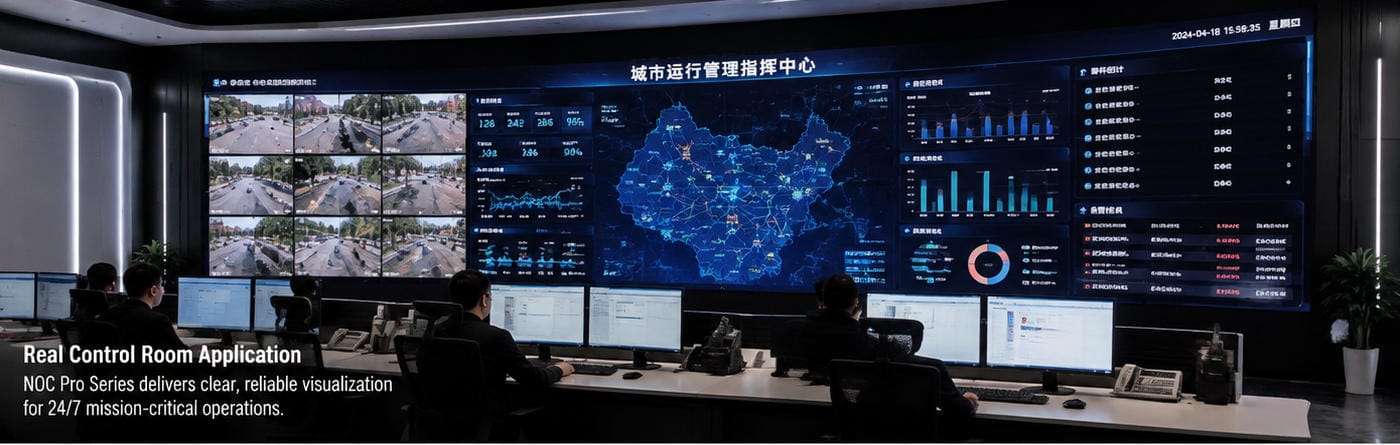
For a control room, choosing an LED display is not simply about selecting the screen with the highest resolution. Operators may spend an entire shift looking at surveillance feeds, operational dashboards, GIS maps, alarm interfaces and real-time data. The display therefore needs to remain clear at close viewing distances, reproduce